
JB Unique Consulting
Professional Metal Railing Fabrication and Installation in Southern Utah
Safety and aesthetics unite in custom metal railings that protect elevated spaces while enhancing architectural character. JB Unique Consulting fabricates railings throughout Iron County, Washington County, and Beaver County using iron, aluminum, and steel engineered to meet code requirements and exceed durability expectations. From residential deck railings to commercial stair systems, precision metalwork delivers protection that performs reliably for decades while complementing property design and increasing visual appeal.
Safety Standards Meet Design Excellence
Metal railings serve the critical function of preventing falls from stairs, balconies, decks, and other elevated surfaces where accidents could result in serious injury. Building codes establish specific requirements for railing height, baluster spacing, structural strength, and graspable handrail profiles that ensure adequate protection for occupants and visitors. Residential applications typically require 36-inch minimum height for deck and balcony railings with balusters spaced no more than 4 inches apart, preventing small children from slipping through openings. Commercial installations often demand 42-inch heights and additional structural capacity to handle crowds and higher safety factors appropriate for public access.
Meeting these safety requirements doesn’t mean sacrificing design quality or settling for generic industrial appearance. Custom fabrication allows unlimited creative expression within code parameters, incorporating decorative balusters, custom post caps, integrated lighting, and architectural details that transform functional safety barriers into distinctive design features. Horizontal cable railings create modern minimalist aesthetics while maintaining required safety. Ornamental iron balusters add traditional character through scrollwork and decorative elements. Our team ensures every railing installation will meet or exceed the minimum building code requirements set by the applicable County, City, or Homeowners Association (HOA).
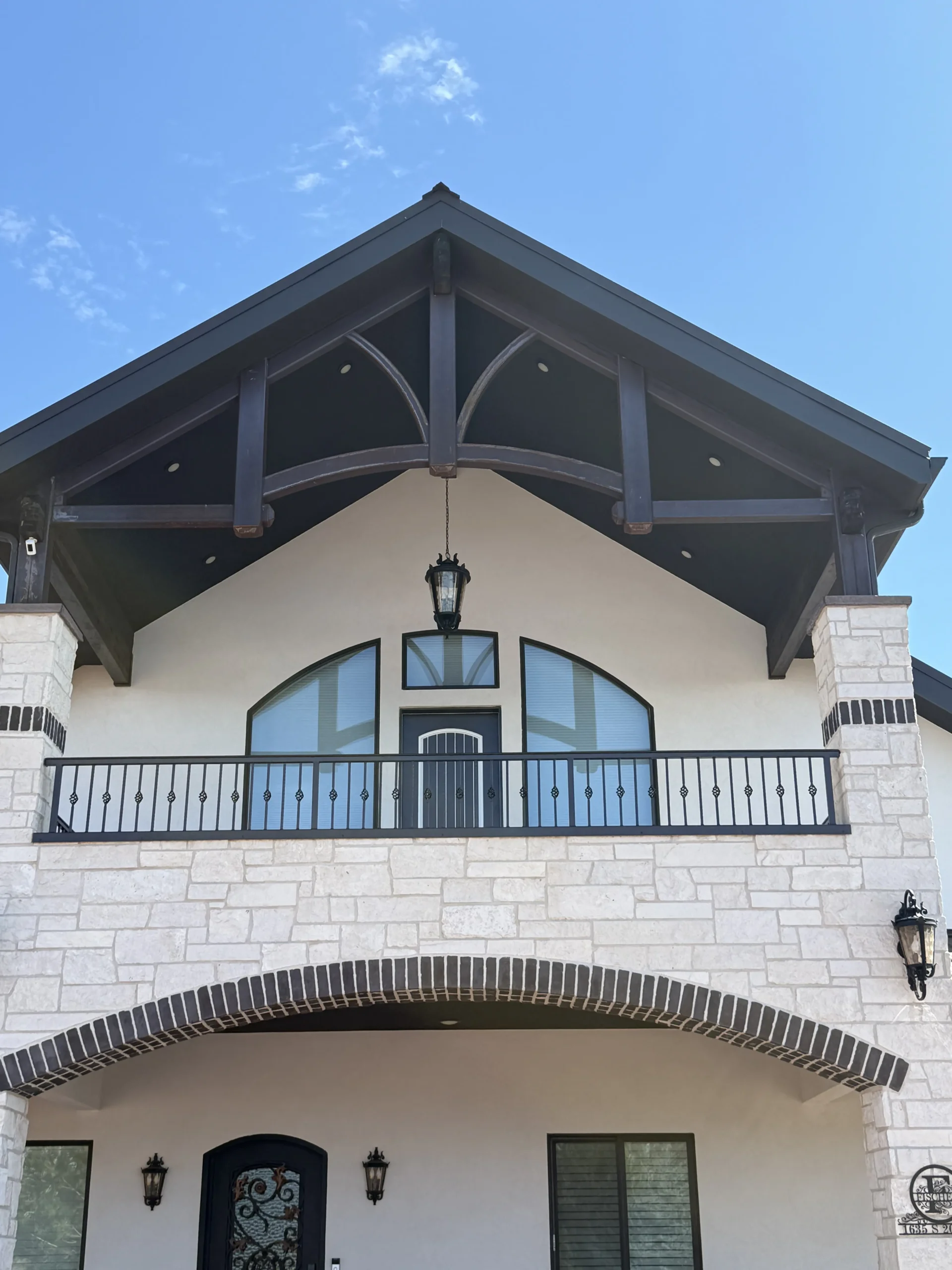
Material Selection for Optimal Performance
Different metals offer distinct advantages that make them suitable for specific railing applications and environmental conditions throughout southern Utah. Steel provides exceptional strength for commercial applications, heavy-duty industrial installations, or anywhere maximum structural capacity matters most. Powder-coated steel resists corrosion while offering unlimited color options that coordinate with architectural palettes. Stainless steel adds corrosion resistance ideal for areas with moisture exposure, pool enclosures, or locations where long-term maintenance minimization justifies higher initial material investment.
Aluminum delivers lightweight strength particularly valued for deck railings, balconies, and residential applications where reduced weight minimizes structural loading on supporting frameworks. The metal’s natural corrosion resistance performs exceptionally well in outdoor exposure, maintaining structural integrity and appearance without the rust concerns affecting unprotected steel. Iron creates traditional character suited to historic properties, estate railings, and applications where substantial visual weight and classic detailing enhance architectural character.
Quality Custom Metal Work for Your Property
Benefits of Custom Metal Railing Systems
- Code compliance assurance through proper engineering and fabrication meeting all safety requirements for residential or commercial applications
- Structural integrity providing reliable fall protection that withstands operational stresses and environmental loads throughout service life
- Design flexibility allowing unlimited customization from ornate traditional styling to minimalist contemporary aesthetics
- Durability and longevity with quality metal railings providing decades of protection without structural degradation or replacement needs
- Low maintenance requirements needing only periodic cleaning and occasional touch-up compared to wood railings demanding regular refinishing
- Weather resistance maintaining performance through temperature extremes, moisture exposure, and UV bombardment common in southern Utah
- Property value enhancement as quality railings represent finishing details that buyers notice and appreciate during property evaluations
- Safety peace of mind knowing elevated spaces provide proper protection for family members, guests, and visitors of all ages
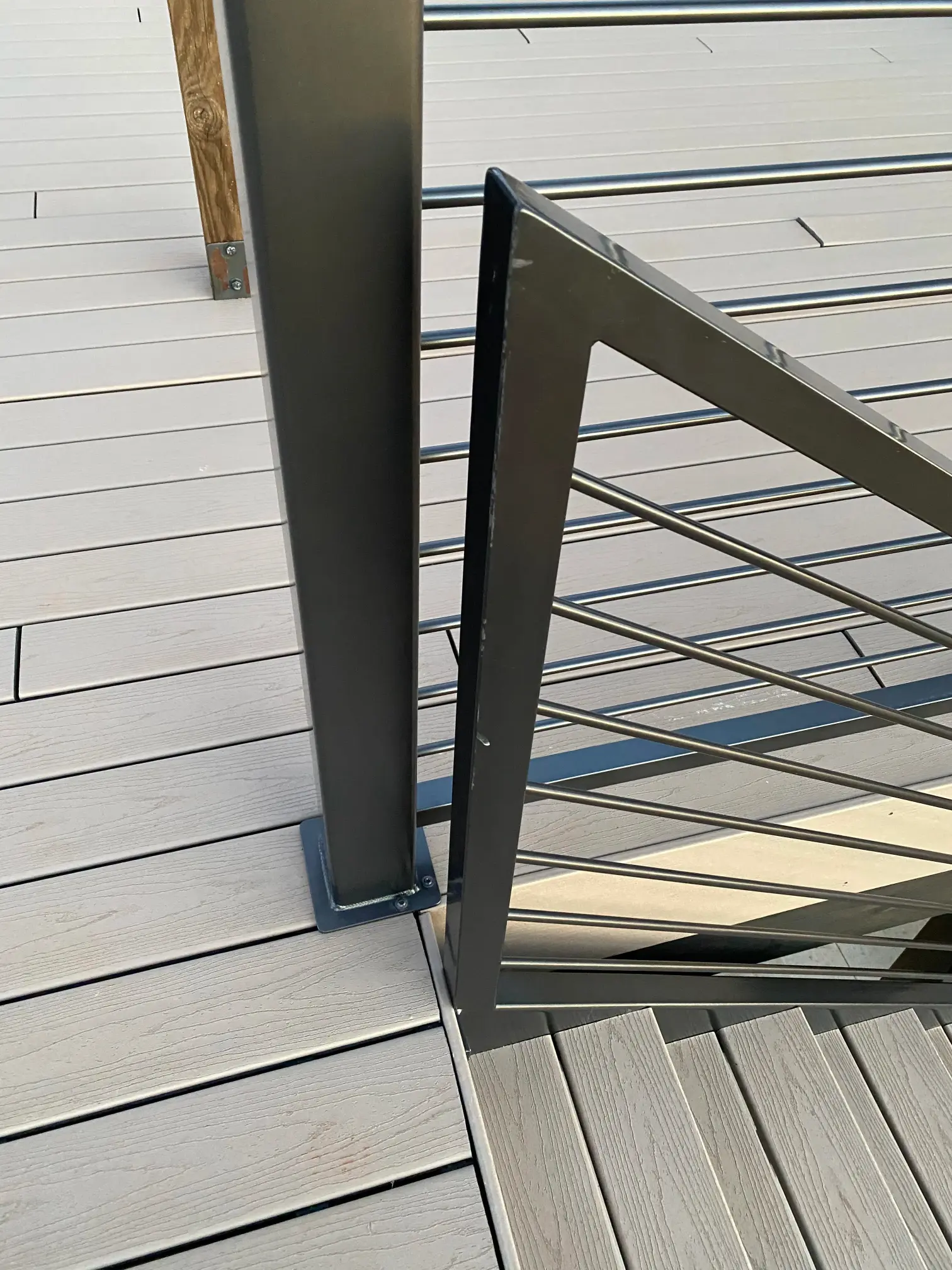
Railing Applications Throughout Your Property
Residential properties require railings for various locations where elevation changes or drop-offs create fall hazards requiring protection. Deck railings surround elevated outdoor living spaces, providing safety barriers that allow enjoyment of views while preventing accidental falls over edges. Stair railings guide safe passage between floor levels, offering handrails for stability and balance while climbing or descending. Balcony railings protect second-story outdoor spaces, Juliet balconies, and observation areas. Porch railings define front entry areas while meeting code requirements for elevated platforms. Interior applications include open stairways, loft edges, and architectural features where railings provide both safety and visual definition.
Commercial facilities depend on railings for ADA-compliant accessibility ramps, building entry stairs, mezzanine edges, elevated walkways, and anywhere public access requires code-compliant fall protection and handrail support. Industrial settings use heavy-duty railings for equipment platforms, catwalks, loading docks, and operational areas where worker safety demands robust protection systems. Municipalities install railings along pedestrian bridges, park overlooks, trail systems, and public facilities where visitor safety necessitates protective barriers meeting stringent liability and code requirements. Each application receives appropriate engineering ensuring structural adequacy for intended use and occupant loads In many applications such as balconies, decks, and elevated walkways, rail systems also function as protective fencing, creating a secure barrier while maintaining visibility and architectural style.
Get Started on Your Railing Project
Protect elevated spaces with custom metal railings combining code compliance, structural excellence, and design quality. JB Unique Consulting serves Iron County, Washington County, and Beaver County with engineering and fabrication expertise delivering railings that perform safely for decades. Call (435) 243-7982 today to discuss your project and discover how custom railings enhance both safety and appearance throughout your property.
Request a quote
Our Services
Frequently Asked Questions
What are the building code requirements for railings?
Building code requirements for railings vary based on application type, building occupancy classification, and local jurisdiction amendments to international building codes, but general standards establish baseline requirements that most installations must meet or exceed. Residential deck and balcony railings typically require 36-inch minimum height measured from deck surface to top of rail, with guards on stairs requiring 34-inch minimum height measured vertically from stair nosing. Baluster or infill panel spacing must prevent passage of a 4-inch diameter sphere, protecting young children from slipping through openings and falling. Commercial applications generally require 42-inch guard height for elevated walking surfaces and increased structural capacity handling higher live loads from crowd accumulation.
How do metal railings compare to wood railings for decks?
Metal railings offer significant advantages over wood for deck applications, particularly in southern Utah’s climate where intense sun exposure and temperature fluctuations accelerate wood deterioration and maintenance demands. Metal provides superior structural stability without the warping, twisting, splitting, or checking that affects wood railings as lumber dries, absorbs moisture, and responds to thermal cycling through seasons. Maintenance requirements differ dramatically, with wood demanding periodic staining or painting every few years to prevent rot and weather damage while metal railings need only occasional cleaning and perhaps touch-up of any finish damage from impacts. Metal railings also provide significantly greater customization capabilities compared to wood. Metal can be fabricated into virtually any design, including decorative balusters, modern horizontal styles, or fully custom architectural patterns, while wood railing options are typically limited to standard lumber sizes and traditional layouts.
Can railings be powder coated in custom colors?
Yes, powder coating metal railings in custom colors represents one of the significant advantages of metal over other railing materials, allowing perfect coordination with existing architectural color schemes or bold design statements through virtually unlimited color options. The powder coating process electrostatically applies dry powder particles to metal surfaces, then heat-cures the coating to create extremely durable finishes that resist chipping, fading, scratching, and weather degradation far better than traditional wet paint applications. Standard powder coat colors include blacks, bronzes, whites, and common architectural finishes, while custom color matching can replicate specific shades from paint chips, existing building elements, or manufacturer color specifications ensuring perfect coordination.
What is the typical installation timeline for railings?
Installation timelines for custom metal railings vary based on project scope, design complexity, current fabrication schedules, and any site preparation or coordination required with other construction trades. Simple residential deck railings or short stair handrails might complete within two to four weeks from initial measurement through final installation, while extensive projects involving multiple stairways, long deck perimeters, or complex custom designs may require six to eight weeks or longer for complete fabrication and installation. The process includes site measurement to verify dimensions and mounting conditions, design development and approval establishing exact specifications, shop fabrication creating railing sections to precise measurements, finish application through powder coating or other protective treatments, and finally installation with proper mounting and alignment ensuring code compliance and optimal appearance. For many projects, we also perform a test fit before final installation to ensure every component aligns correctly and the system is fabricated to exact specifications before final mounting.
Do railings require ongoing maintenance?
Metal railings require minimal ongoing maintenance compared to wood railings demanding regular refinishing or composite materials that can fade, stain, or become brittle over time, but some basic care helps maintain optimal appearance and ensures continued reliable performance throughout their long service life. Periodic cleaning removes accumulated dirt, pollen, leaves, and environmental contaminants using mild soap and water with soft brushes or cloths, followed by thorough rinsing to prevent residue that might trap moisture or affect finish appearance. Inspection of mounting hardware, welds, and structural connections identifies any loose fasteners that should be tightened or developing issues requiring attention before they compromise safety or necessitate extensive repairs.