
JB Unique Consulting
Custom Metal Stair Fabrication and Installation in Southern Utah
Elevation changes throughout properties demand stair solutions that combine structural safety with architectural distinction. JB Unique Consulting fabricates metal stairs throughout Iron County, Washington County, and Beaver County using steel, iron, and aluminum engineered for reliable performance and built to last generations. From compact residential entry steps to dramatic floating staircases and industrial access systems, precision metalwork creates stairs that handle daily traffic while enhancing property character and value.
Structural Integrity Meets Aesthetic Impact
Metal stairs provide unmatched structural strength that supports heavy loads without the deflection, creaking, or gradual deterioration affecting wood construction over years of use. Properly engineered steel frameworks carry substantial weight safely, meeting or exceeding building code requirements for live loads, concentrated forces, and safety factors appropriate for residential or commercial applications. Welded construction creates unified assemblies where individual components work together as single structural units, eliminating the loose joints and fastener failures that plague bolted connections in wood or composite stairs over time.
The visual possibilities for metal stairs extend far beyond purely functional designs. Floating stairs with hidden structural supports create dramatic architectural statements that appear to defy gravity while providing completely safe passage between levels. Open riser designs allow light penetration and visual transparency that makes spaces feel larger and more connected. Spiral and curved configurations navigate tight spaces elegantly while serving as sculptural focal points. Industrial aesthetics embrace exposed metal with minimal ornamentation, while residential designs incorporate wood treads, glass panels, or decorative elements that soften metal’s inherent character.
Design Options for Every Application
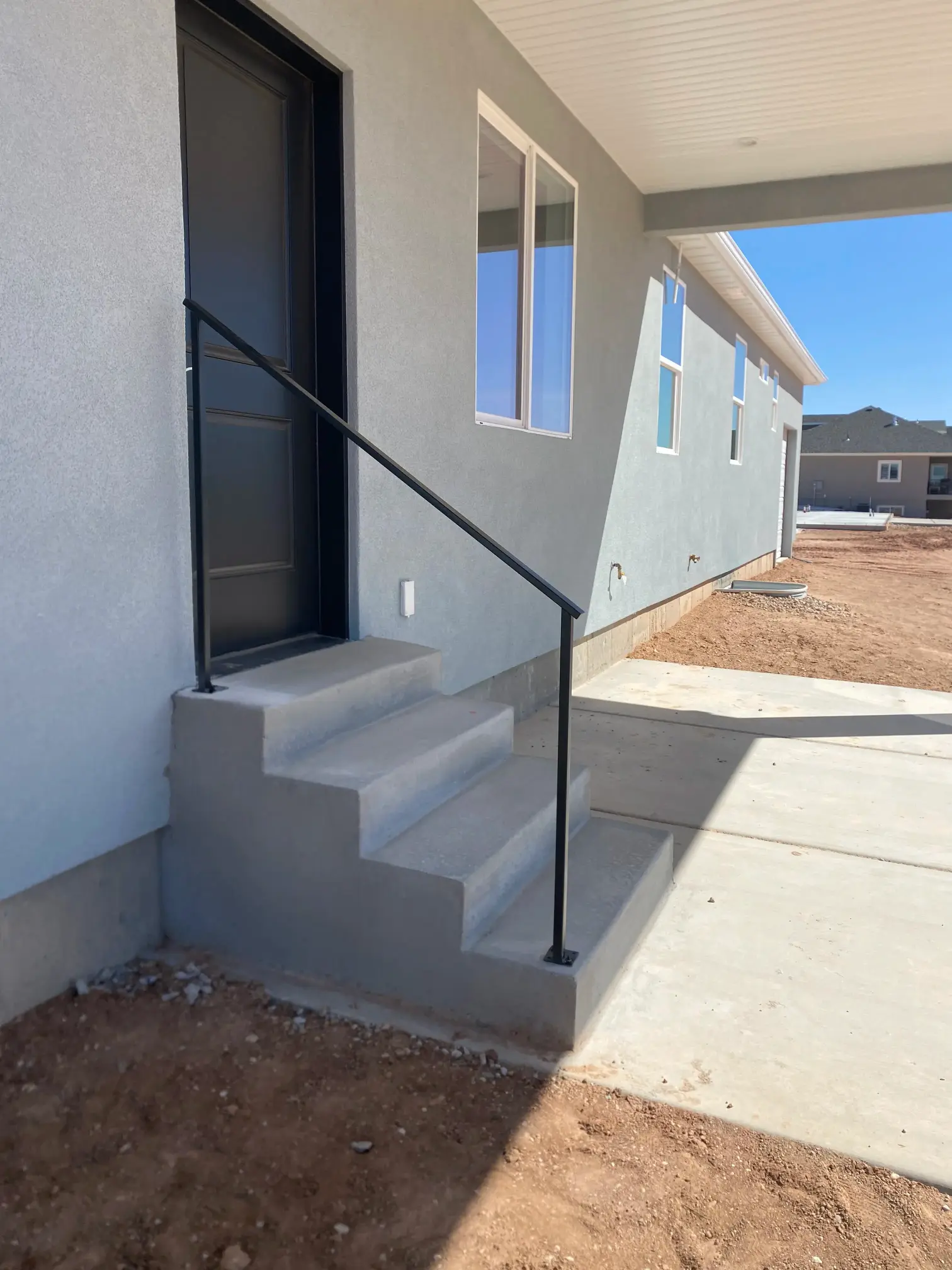
Straight-run stairs are like the Hogwarts staircases that lead directly between floors without twists or turns—simple, practical, and ideal for moving quickly from the Great Hall to Gryffindor Tower or the entrance to the kitchens. L-shaped stairs resemble the corner turns in Hogwarts corridors, providing a natural pause between flights, much like the portraits that nod you along your path.
U-shaped switchback stairs mimic the winding routes to the Room of Requirement, maximizing elevation within a compact area while giving a sense of discovery with each landing. Spiral stairs call to mind the twisting staircases in the Astronomy Tower, spinning elegantly around a central column and saving space while adding magical charm.
Custom stair configurations echo the ever-changing staircases of Hogwarts—while we can’t make your staircases magically move on demand, we can create a stunning design that lasts, navigates unique layouts, adds character, and leaves visitors enchanted at every turn.
Quality Custom Metal Work for Your Property
Material Selection for Stairs
Steel dominates metal stair construction due to excellent strength-to-weight ratios, cost effectiveness for structural applications, and versatility accepting various finishes and design treatments. Structural steel channels, tubes, and plates form frameworks engineered to carry calculated loads safely while maintaining rigidity that prevents bounce or flex during use. Carbon steel provides economical strength for applications where protective coatings prevent corrosion, while stainless steel offers superior rust resistance for outdoor installations, pool areas, or marine environments where moisture exposure threatens ordinary steel.
Aluminum creates lightweight stairs valued for roof access, boat docks, and situations where reduced weight benefits transportation, installation, or structural loading on supporting frameworks. The metal naturally resists corrosion without protective coatings, performing reliably in outdoor exposure while requiring minimal maintenance. Iron brings traditional character and substantial visual weight suited to historic properties, estate installations, or anywhere classic detailing enhances architectural authenticity.
Benefits of Custom Metal Stair Systems
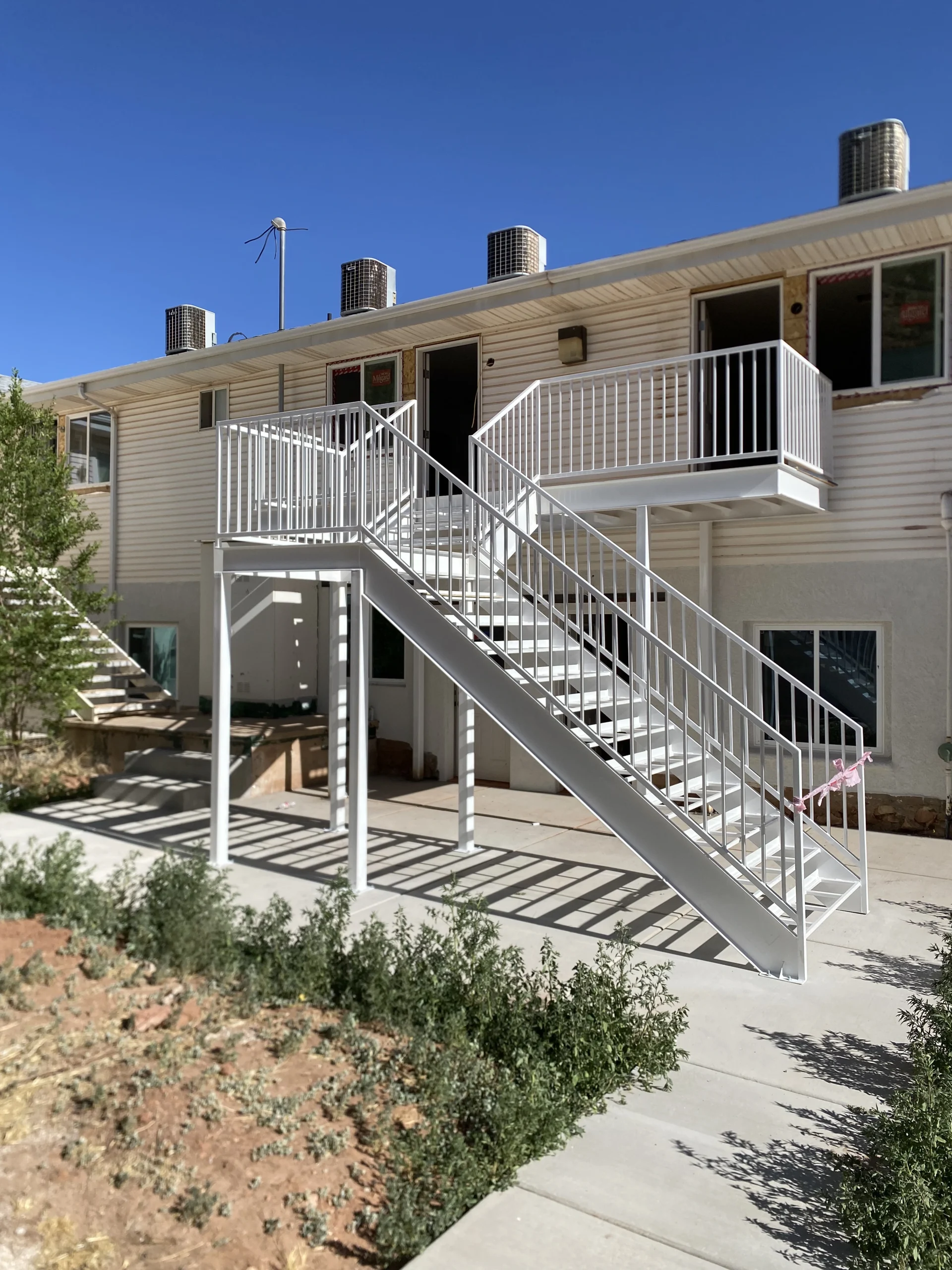
- Superior strength and rigidity supporting heavy loads without deflection, bounce, or structural movement during use
- Exceptional longevity providing decades of reliable service without the rot, warping, or deterioration affecting wood stairs
- Design versatility enabling configurations from traditional straight runs to dramatic floating stairs and space-efficient spirals
- Code compliance through proper engineering ensuring rise, run, headroom, and handrail dimensions meet all requirements
- Low maintenance demands requiring only periodic cleaning and occasional finish touch-up compared to wood refinishing cycles
- Fire resistance offering superior safety compared to combustible wood construction in residential and commercial buildings
- Weather durability maintaining structural integrity through temperature extremes and moisture exposure in outdoor installations
- Customization capability allowing integration of wood, glass, cable, or other materials creating unique signature designs
Begin Your Custom Stair Project
Whether you need residential entry stairs, dramatic interior features, or heavy-duty industrial access systems, JB Unique Consulting delivers custom metal fabrication throughout Iron County, Washington County, and Beaver County. Expert engineering and skilled craftsmanship create stairs performing safely for generations. Call (435) 243-7982 today to discuss your project and discover how custom metal stairs enhance both function and beauty throughout your property.
Request a quote
Our Services
Frequently Asked Questions
What are the building code requirements for residential stairs?
Building codes establish specific dimensional and safety requirements for residential stairs ensuring safe comfortable passage for occupants and visitors of all ages and physical abilities. Maximum riser height typically measures 7.75 inches with minimum tread depth of 10 inches measured horizontally from nosing to nosing, creating comfortable climbing angles that don’t feel excessively steep or shallow. All risers within a flight must maintain consistent height within very tight tolerances, typically 3/8 inch maximum variation, preventing trip hazards from unexpected step height changes that catch users off guard. Minimum stair width generally requires 36 inches clear between handrails, though residential applications sometimes allow narrower widths for specific situations like basement access.
How much do custom metal stairs typically cost?
Custom metal stair pricing varies enormously based on stair configuration, size, design complexity, material selection, finish requirements, and installation challenges, making it impossible to provide meaningful cost estimates without understanding your specific project details and requirements. Simple straight-run exterior entry stairs with basic treads and railings might represent relatively modest investments, while elaborate floating interior staircases featuring custom treads, glass panels, integrated lighting, and premium finishes can reach substantially higher cost levels reflecting the engineering, materials, and skilled fabrication involved.
Can metal stairs be designed for outdoor use?
Absolutely, metal stairs perform exceptionally well in outdoor applications throughout southern Utah, handling weather exposure, temperature extremes, and moisture conditions that rapidly deteriorate wood stairs and create ongoing maintenance demands. Proper material selection and finish protection are critical for outdoor longevity, with galvanized steel providing economical corrosion resistance through zinc coating that sacrifices itself protecting underlying steel, powder-coated steel offering superior appearance in unlimited colors when quality coatings are properly applied, or stainless steel delivering maximum corrosion resistance justifying higher material costs for critical installations or owners prioritizing minimal maintenance.
What is the installation process for metal stairs?
Metal stair installation begins with verifying site conditions match dimensions used during design and fabrication, confirming structural support locations and capacities accommodate stair loads, and ensuring adequate access exists for delivering and positioning stair assemblies which can be quite large and heavy depending on configuration. Site preparation may include installing anchor plates, reinforcing structural supports, or creating concrete pads at stair bases providing stable level foundations. Smaller stair units might arrive as complete assemblies ready for positioning and securing, while larger installations often break into manageable sections that assemble on-site through bolted connections engineered for structural adequacy and field installation practicality.
How do metal stairs compare to wood stairs for durability?
Metal stairs substantially outlast wood stairs in virtually every application and environment, providing decades of reliable service without the structural degradation, maintenance demands, or eventual replacement that wood stairs inevitably require. Wood stairs suffer from moisture absorption causing expansion, contraction, warping, and eventual rot that compromises structural integrity and creates safety hazards as treads loosen, stringers decay, or connections fail. Insects including termites and carpenter ants attack wood structures, particularly in areas with moisture problems or contact with soil.